The landscape of artificial intelligence has undergone a remarkable transformation since the initial release of ChatGPT. By 2025, we find ourselves immersed in a rich ecosystem of Large Language Models (LLMs) and AI tools that extend far beyond the simple text-based interactions that once defined our relationship with these technologies.
If you're still limited to typing queries into ChatGPT and passively waiting for text responses, you're barely scratching the surface of what's possible. Visionaries such as Andrej Karpathy recently demonstrated on YouTube (https://www.youtube.com/watch?v=EWvNQjAaOHw) innovative ways to leverage these tools, opening new possibilities for research, programming, and creative work. In this post, we break down best practices and insights for harnessing AI and LLMs like a top scientist.
Who Is Andrej Karpathy?
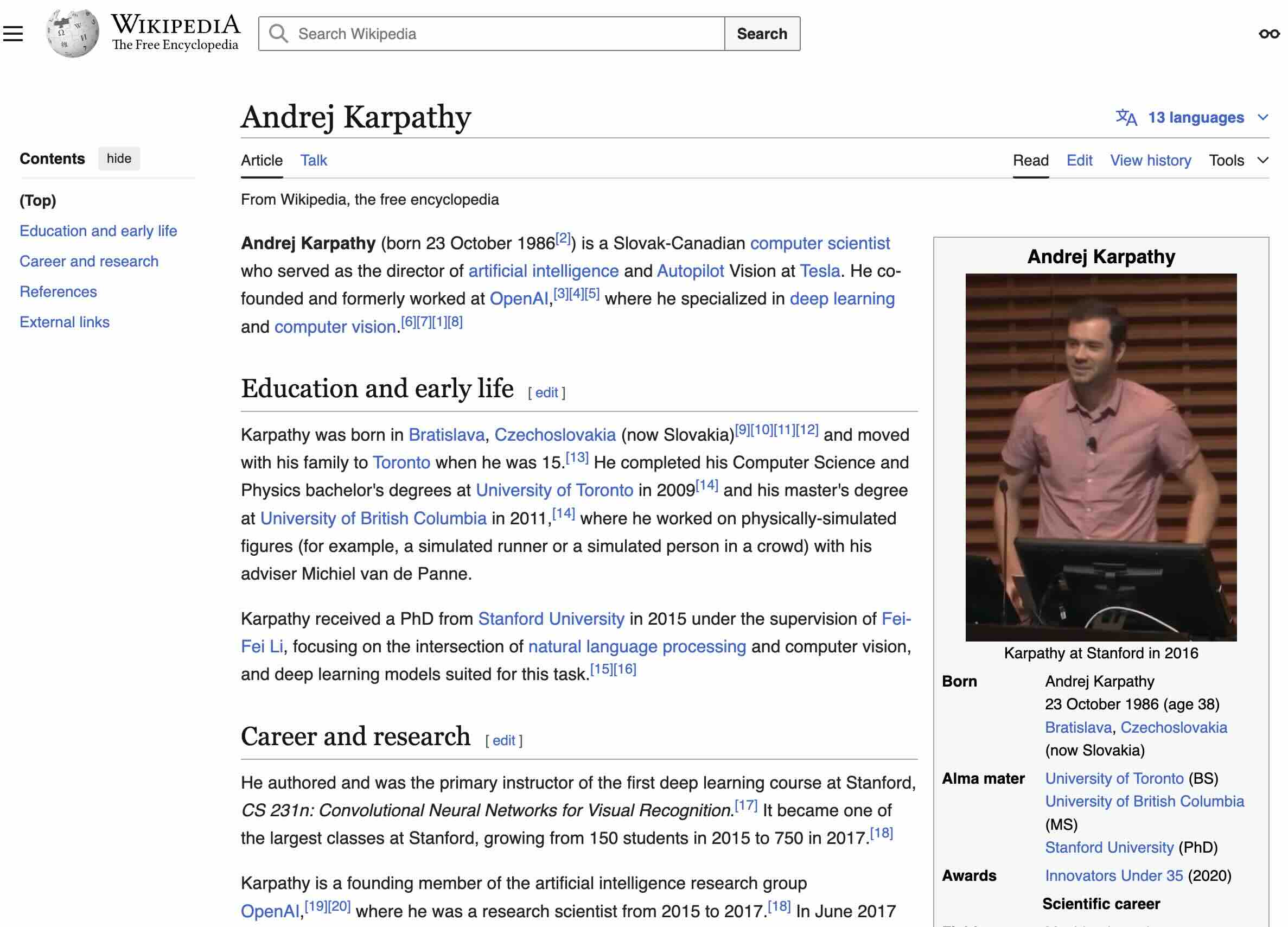
Source:Wikipedia
Andrej Karpathy is a renowned figure in the field of artificial intelligence. A former founding member of OpenAI and Director of AI at Tesla, he has played a significant role in shaping the development and application of deep learning technologies. His academic background includes a Ph.D. from Stanford University. Throughout his career, he has consistently shared his knowledge through various platforms, including his widely-read blog, educational videos, and social media presence.Part 1 - Harnessing LLMs and AI Tools
The modern AI toolkit is vast and varied. Below are several approaches to using LLMs and related AI tools, each tailored to different tasks and creative challenges.
1. Leveraging Internet Search
Modern LLMs come with integrated internet search functionalities that go beyond static knowledge. These tools can:
- Aggregate and Process Web Content: By converting webpages into tokenized data, LLMs dynamically fetch the latest information, compensating for any pre-training knowledge gaps.
- Automate Tedious Research: Instead of manually browsing multiple search engines, tools like ChatGPT (with search enabled), Grok, or Deep Seek can handle the heavy lifting, allowing you to quickly access and synthesize up-to-date insights.
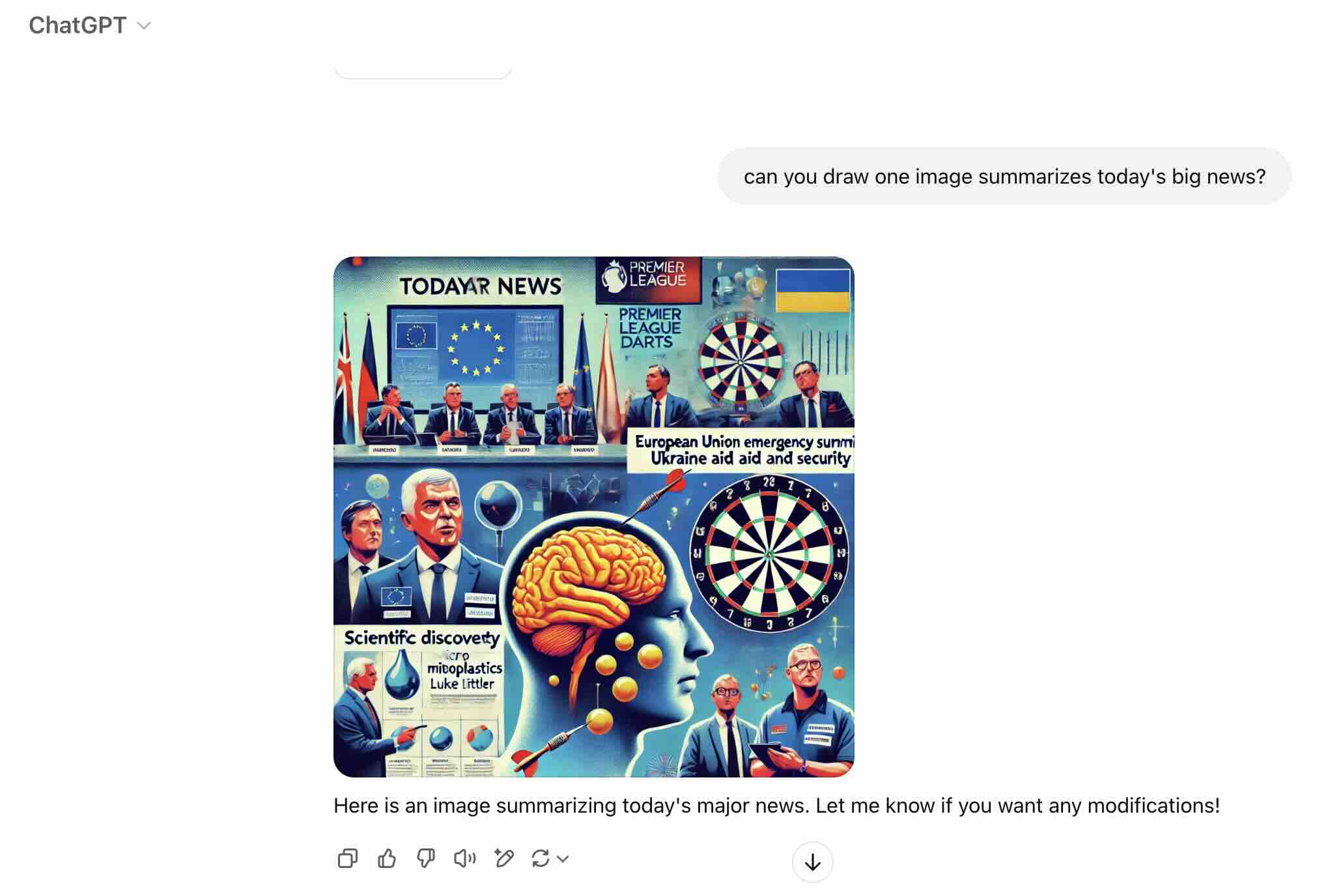
AI summarizes daily news and draw news image.Source:ChatGPT
2. Using LLMs as Your Study Buddy
Enhance your learning and research experience by treating your LLM as a personalized study partner:
- Document Summarization: Upload documents or refer to books and have the LLM summarize key chapters or sections.
- Interactive Learning: Engage in a back-and-forth dialogue with the model to clarify concepts, test your understanding, or dive deeper into complex topics without manually scanning lengthy texts.
3. Deep Research Capabilities
Source:Helicone
One of the most exciting applications of LLMs today is their ability to perform deep research. Unlike a simple prompt-response mode, deep research allows for:- Comprehensive Analysis: Some LLMs combine internet search with in-depth reasoning to process academic papers and web resources, producing outputs that resemble custom research papers.
- Specialized Tools: Platforms such as ChatGPT, Perplexity, Grok, and Gemini excel at synthesizing information from diverse sources, making them indispensable for tackling advanced research projects.
4. Programming with LLMs
AI can now assist throughout the software development lifecycle. Consider these three programming approaches:
4.1 Basic Coding
- Assisted Calculations: While language models primarily handle text, they may hallucinate on numerical calculations. Tools like ChatGPT invoke external interpreters (e.g., Python) for precise number crunching.
- Data Analysis and Visualization: Prompt LLMs to generate data analysis programs, useful for quick stock evaluations or exploratory data analysis. However, always verify computational results.
4.2 Coding with Live Prototype
LLMs like Claude allow you to write, compile, and run code directly in your browser. This rapid prototyping environment is perfect for generating front-end applications and dynamic diagrams (e.g., Mermaid diagrams).
4.3 Autonomous Coding Agents
LLMs like Cursor act as autonomous coding agents, taking high-level instructions and generating executable code. This tool streamlines development, especially for low-level programming.
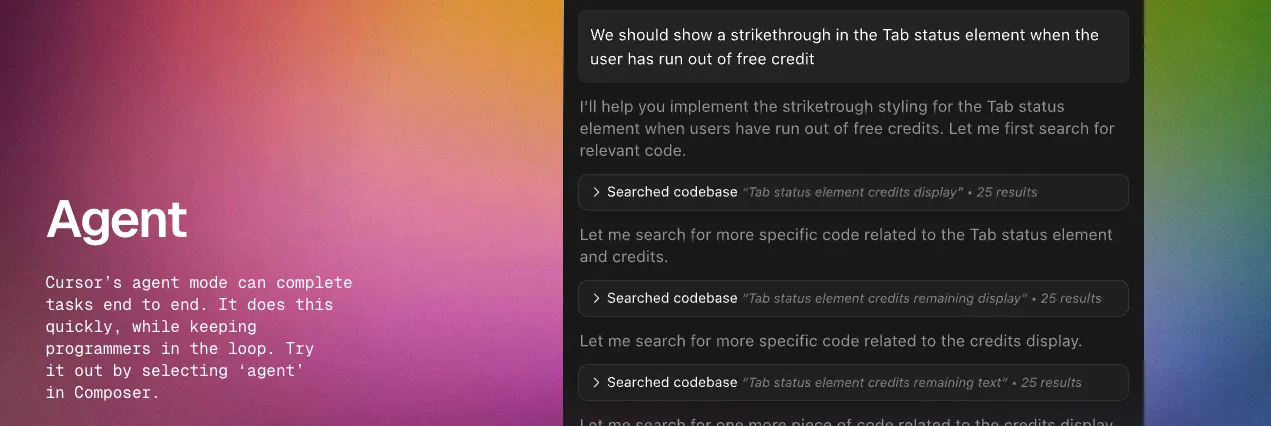
Source:Cursor
Beyond Text: Multimodal Interactions
Today's AI systems extend well beyond text-based interactions. Embracing multimodality enhances accessibility and functionality:
1. Audio Interactions
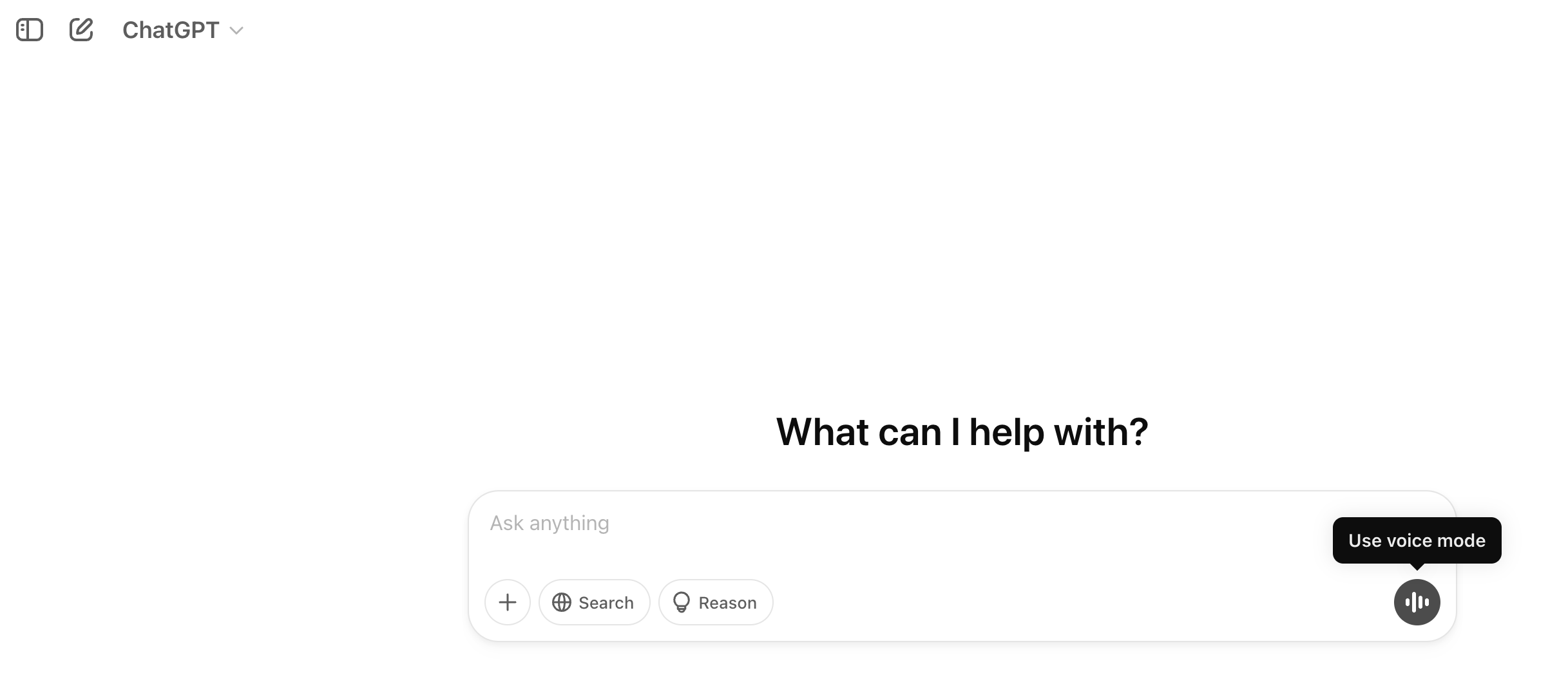
- Voice-Activated Commands: Many LLMs now support high-quality audio recognition and text-to-speech(in ChatGPT it's called Advanced Voice Mode), making interactions more intuitive and accessible—especially for seniors or those on the go.
Source:OpenAI
2. Visual Inputs with Images
- Image Tokenization: Advanced models convert images into tokens, allowing users to upload visual data, analyze charts, or solve mathematical problems based on uploaded formulas.
- Creative Generation: Tools like DALL·E 3 generate custom images for artistic projects or illustrative content.
3. Video Integration
- Dynamic Understanding: Modern LLMs analyze video inputs, allowing real-time interaction with visual content—answering questions, translating, or extracting key insights.
Personalizing Your AI Experience
A powerful feature of today's LLMs is their ability to adapt to user preferences through customizable memory features:
- Memory Banks: Platforms like ChatGPT offer memory banks to store personalized data and preferences.
- Customized Settings: Tailor the model's behavior to your habits for a more efficient AI experience.
Overview of Leading LLM and AI Tools
Here's a brief rundown of some top tools shaping AI today:
- Perplexity: Ideal for nuanced internet search and research tasks.
- Grok: Offers flexible feedback and less restrictive interactions.
- ChatGPT: The most comprehensive and capable LLM, per Andrej Karpathy.
- NotebookLM: Integrates vast data sources for deep research and note generation.
- DALL·E 3: OpenAI's advanced image generation model.
- Google Veo-2, OpenAI Sora, Pika: Leading tools for video content generation.
Tips for Using LLMs Effectively
To maximize AI potential, follow these best practices:
- Verify Sources: Cross-check responses to avoid misinformation.
- Start Fresh: Begin a new chat session when shifting topics.
- Be Model-Savvy: Choose the right model based on task complexity.
- Embrace Deep Research Tools: Opt for LLMs designed for long-form analysis.
Part 2 - Understanding the Inner Workings of LLMs
The LLM Ecosystem
Since ChatGPT's debut, the ecosystem has expanded with models like Gemini, Co-pilot, Claude, and Grok. Tools like Chatbot Arena and the SEAL leaderboard benchmark their performance.
Tokenization and Context Windows
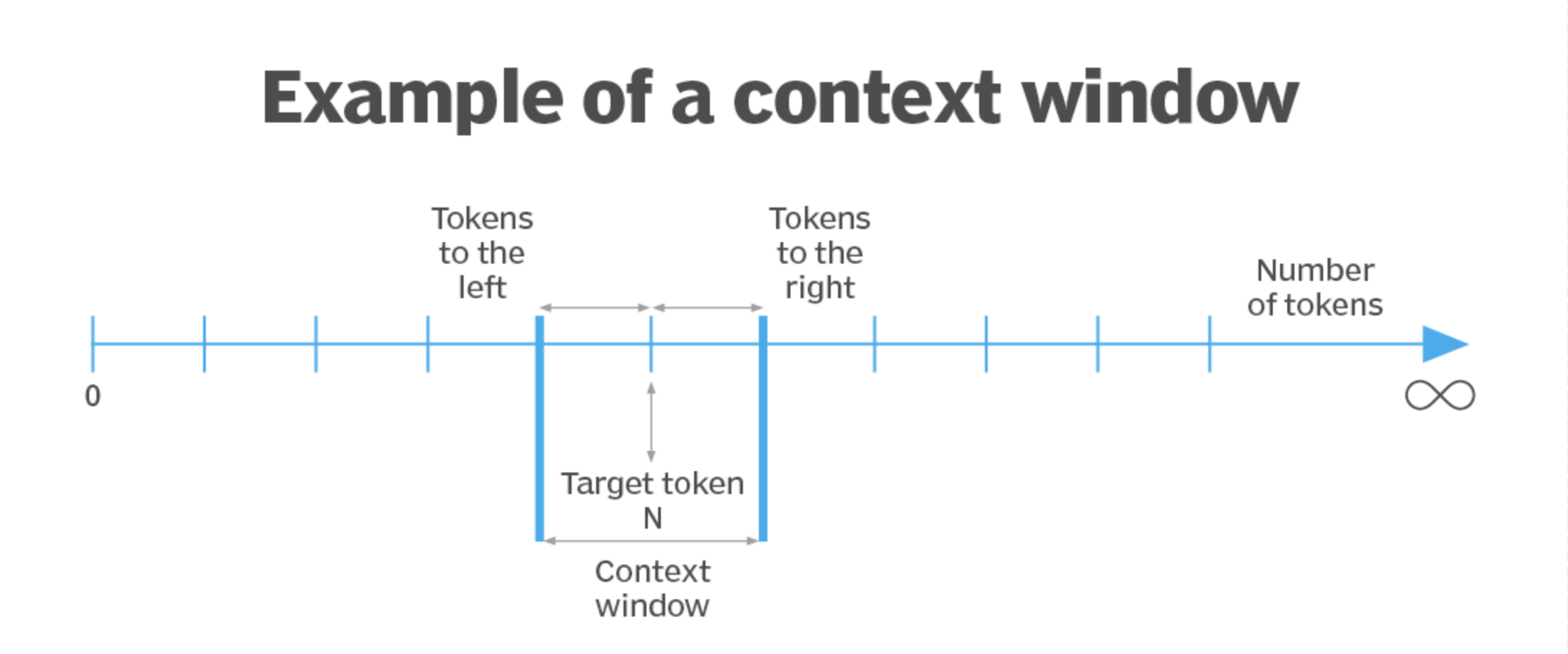
LLMs break text into tokens, forming a context window—the model's working memory. Managing this window effectively is crucial for optimal performance.
Source:TechTarget
Limitations and "Zip File" Analogy
Think of an LLM as a massive, compressed zip file of internet knowledge. While efficient for retrieval, it may lack recent information unless supplemented with active tool use.
Practical Tips
- Refresh Context Frequently: Begin new chats for focus.
- Choose Models Wisely: Consider computational cost and task suitability.
- Monitor Tool Use: Be aware of integrated web search or reasoning modules.
- Opt for Deep Research: Use tools designed for long-form analysis.
The Future: Handling Audio Natively
The next frontier involves native audio handling, breaking sound into frequency-based tokens for seamless voice interactions. Features like ChatGPT's advanced voice mode enable real-time conversations, blurring the line between human and machine.
To Be Continued
By 2025, AI and LLMs have evolved into a comprehensive suite of tools catering to all aspects of life. Understanding their mechanics and exploring innovative applications—from deep research to multimodal interactions—unlocks their full potential.
Happy exploring!